Full Set Dental Implants for Complete Smile Restoration
Full Set Dental Implants for Complete Smile Restoration
Blog Article
Acquire a Full Set of Dental Implants: Revolutionize Your Smile Today
Dental implants constitute a significant advancement in restorative dentistry. They offer a durable, permanent solution for those seeking to enhance their appearance. By replicating the organic design of teeth, these implants offer both visual attractiveness and functional benefits. However, the process involves careful consideration and comprehension of individual needs. What factors should one assess before taking this step? Exploring the details can illuminate the potential advantages and challenges ahead.

The Benefits of Full Dental Implants
Full dental implants offer many advantages for individuals seeking a permanent answer to tooth loss. They provide a lifelike look and function, closely resembling real teeth, which enhances confidence and improves aesthetics. Unlike detachable dentures, full dental implants are firmly anchored in the jawbone, eliminating issues with shifting or discomfort during eating or talking.
Furthermore, these alternatives support upholding jawbone condition. When teeth are missing, the jawbone can weaken over time; full dental implants stimulate bone growth, maintaining facial structure. Furthermore, they demand no special cleaning procedures beyond regular oral hygiene, providing ease for daily care.
Patients commonly mention enhanced quality of life, as full dental implants allow them to enjoy a wide variety of foods without constraints. The long-lasting nature of implants also makes them a budget-friendly option over time, minimizing the need for frequent maintenance and repairs associated with other tooth replacement methods.
Tooth Replacements: What Are They and How Do They Perform?
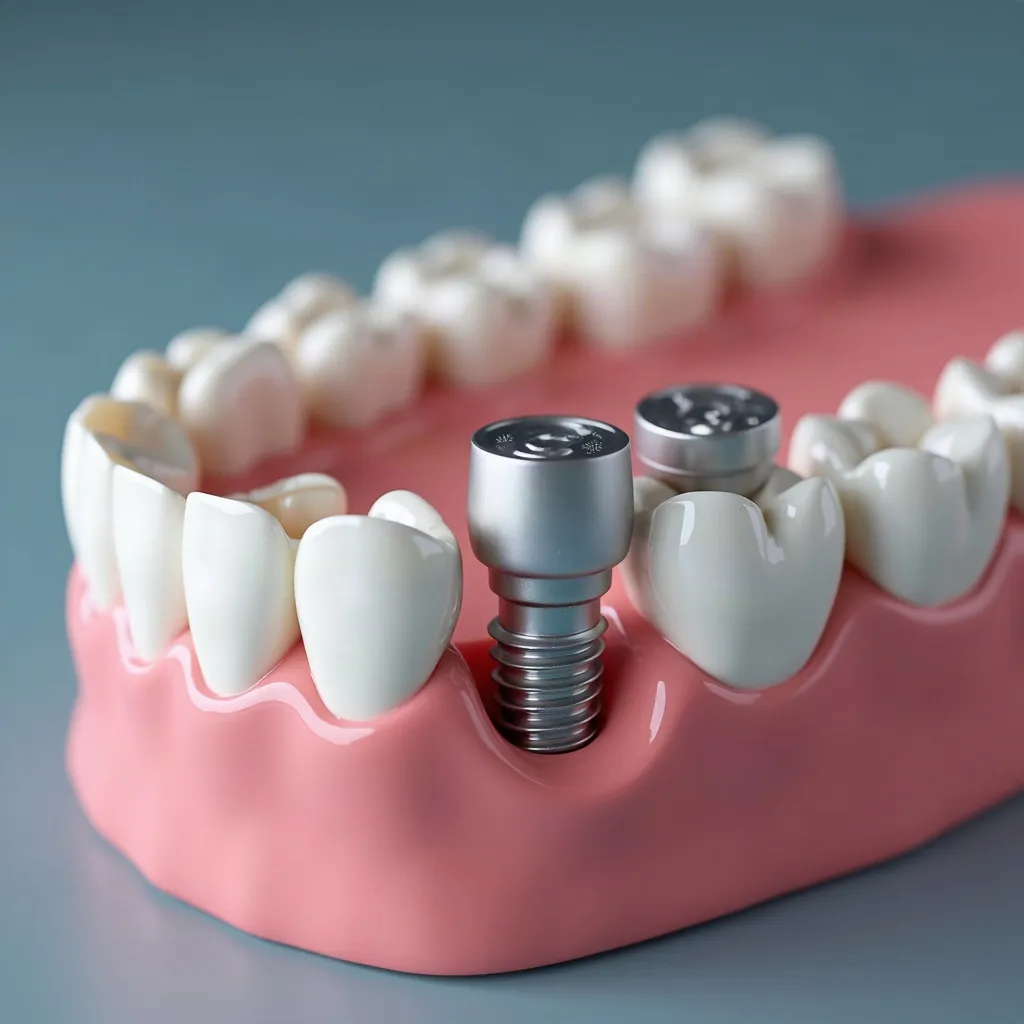
Dental implants are innovative solutions designed to replace missing teeth, offering a lasting and efficient option to traditional dentures or bridges. These implants are made up of a titanium post that is surgically inserted into the jawbone, acting as a sturdy root for the new tooth. The process starts with the fusion of the implant into the bone, a process referred to as osseointegration, which typically takes several months. Once healed, a custom-made crown is additional article attached to the post, providing a natural look and functionality.
Dental implants improve appearance and enhance dental wellness by stopping bone deterioration, which can happen when teeth are absent. They allow individuals to experience comfortable eating and speaking without the pain associated with removable dentures. In summary, dental implants constitute a major breakthrough in dental technology, offering a dependable option for those seeking to restore their smile and self-assurance.
What's involved in getting Dental Implants?
The journey to acquiring dental implants includes several essential components developed to secure a successful outcome. Initially, a in-depth discussion with a dental professional is indispensable. This review incorporates evaluating oral health, acquiring X-rays, and discussing the patient's medical history to confirm qualification for the procedure.
After being judged appropriate, a treatment plan is developed, detailing the vital steps and timeline. The following stage usually involves the surgical insertion of the implant, which is a titanium post placed in the jawbone to function as a root for the artificial tooth. After surgery, a recuperation time is essential, permitting the implant to integrate with the bone.
Following adequate healing, an abutment is installed, then the fitting of a custom-made prosthetic tooth that aligns with the person's original dentition. During this process, frequent follow-up visits ensure that everything is moving forward as intended, establishing the foundation for a successful dental restoration.
Care Tips for Your Dental Implants
Proper post-surgery care is critical for the long-term success and functionality of dental implants. Patients should obey their dentist’s post-operative instructions strictly. Initially, maintaining oral hygiene is vital; soft gentle brushing and rinsing with a prescribed antibacterial mouthwash can help prevent infection. It is recommended to avoid dense or sticky foods for the first few weeks, opting for softer options as an alternative.
Regular dental examinations are essential to monitor the implants and surrounding tissues. Patients should also be alert to any signs of discomfort or abnormal alterations, such as inflammation or bleeding, and report these to their dentist immediately. Additionally, stopping tobacco use can significantly improve healing and minimize complications.
Staying hydrated and keeping a balanced diet promotes overall health, further enhancing the implant process. By following these aftercare tips, individuals can boost the probability of proper osseointegration and long-term satisfaction with their dental implants.
How to Confirm if Full Dental Implants Are Right for You?
Are you wondering if full dental implants are the right choice? People considering this option should assess multiple important considerations. First, they must examine their dental condition; sufficient bone density and healthy gums are essential for effective implant placement. Speaking with a dental professional can offer insights into whether one's tooth anatomy supports implants.
Additionally, clients should think about their way of life and long-term dental goals. Comprehensive dental implants provide strength and a natural appearance, making them ideal for those looking for a permanent solution. Monetary considerations are also critical; while dental implants can be expensive, they may provide greater value over time relative to other dental solutions.
Finally, personal preferences concerning maintenance and aesthetics are quite important. By weighing these factors, individuals can determine the best choice about whether full dental implants match their requirements and goals for a rejuvenated smile.
Frequently Requested Answers
What Represents the Typical Duration of Dental Implants?
Dental implants typically last 10 to 15 years, though many endure substantially longer contingent on aspects including oral hygiene, the individual's health condition, and the caliber of the implant procedure. Regular dental consultations are necessary for long-term performance.
Will Tooth Implants Be Covered Under Your Coverage Plan?
Dental implants often aren't completely covered by insurance. Reimbursement varies depending on the plan terms, with several plans extending some benefits for the procedure, while others could exclude it altogether. It's critical to review your insurance specifics.
Which People Can Receive Dental Implants?
Not every person is suited for dental implants. Elements like bone density, overall health, and oral hygiene play vital roles in determining eligibility. A detailed consultation with a dental professional is necessary for assessment.
What Are the Expenses Associated with Comprehensive Dental Implants?
The price of full dental implants typically ranges from $20,000 to $40,000, based on multiple factors such as location, materials used, and individual needs. Patients should consult dental professionals for accurate estimates customized to their circumstances.
Do Dental Implants Resemble the Sensation of Real Teeth?
Dental implants seem to feel like natural teeth for most individuals. They are fashioned to incorporate with the jawbone, establishing stability and comfort. Many users state a high level of gratification with their functional and aesthetic qualities.
Report this page